Central African Republic: two years on from the outbreak of the crisis
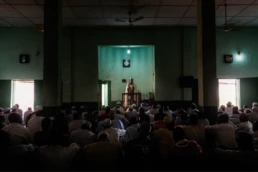
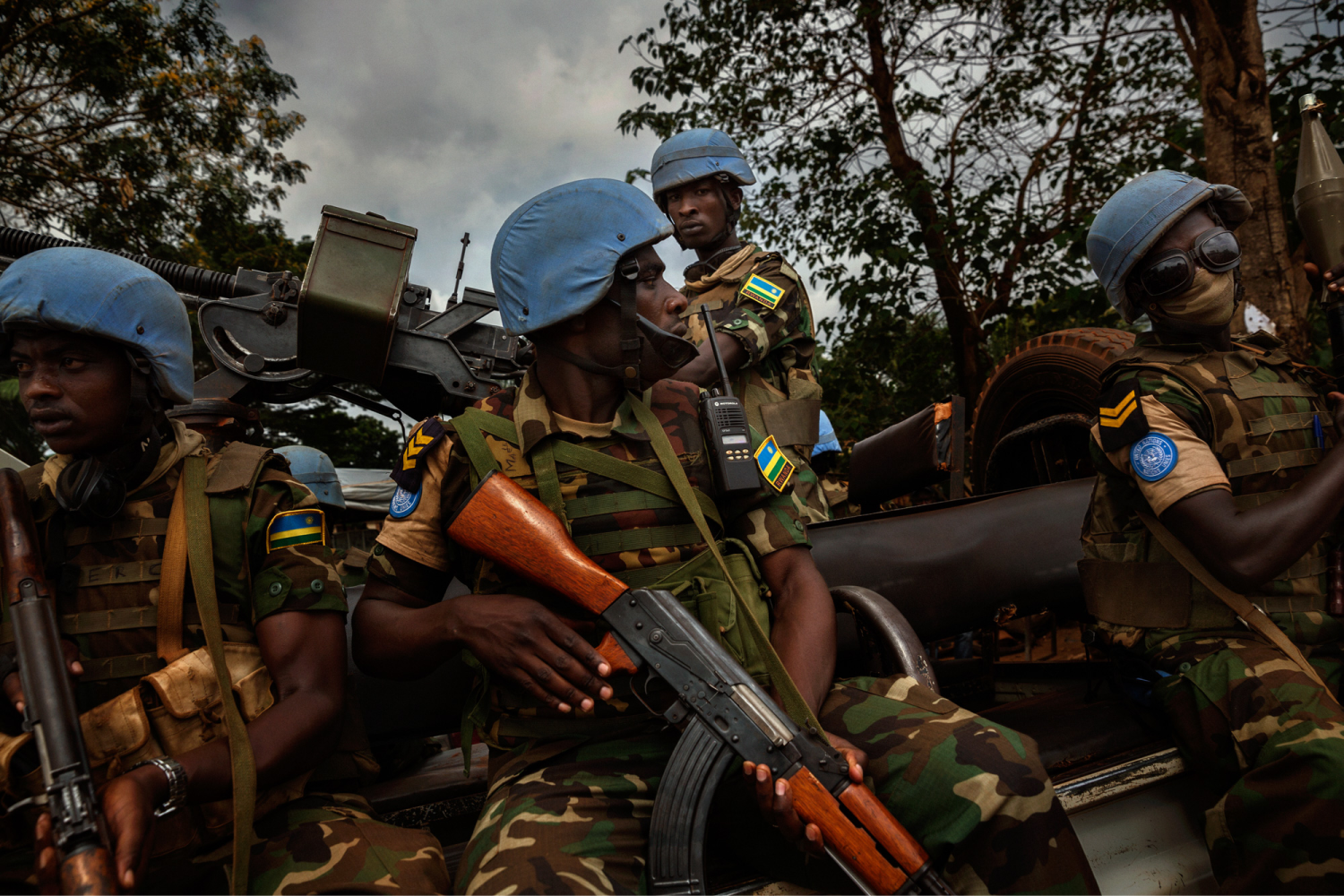
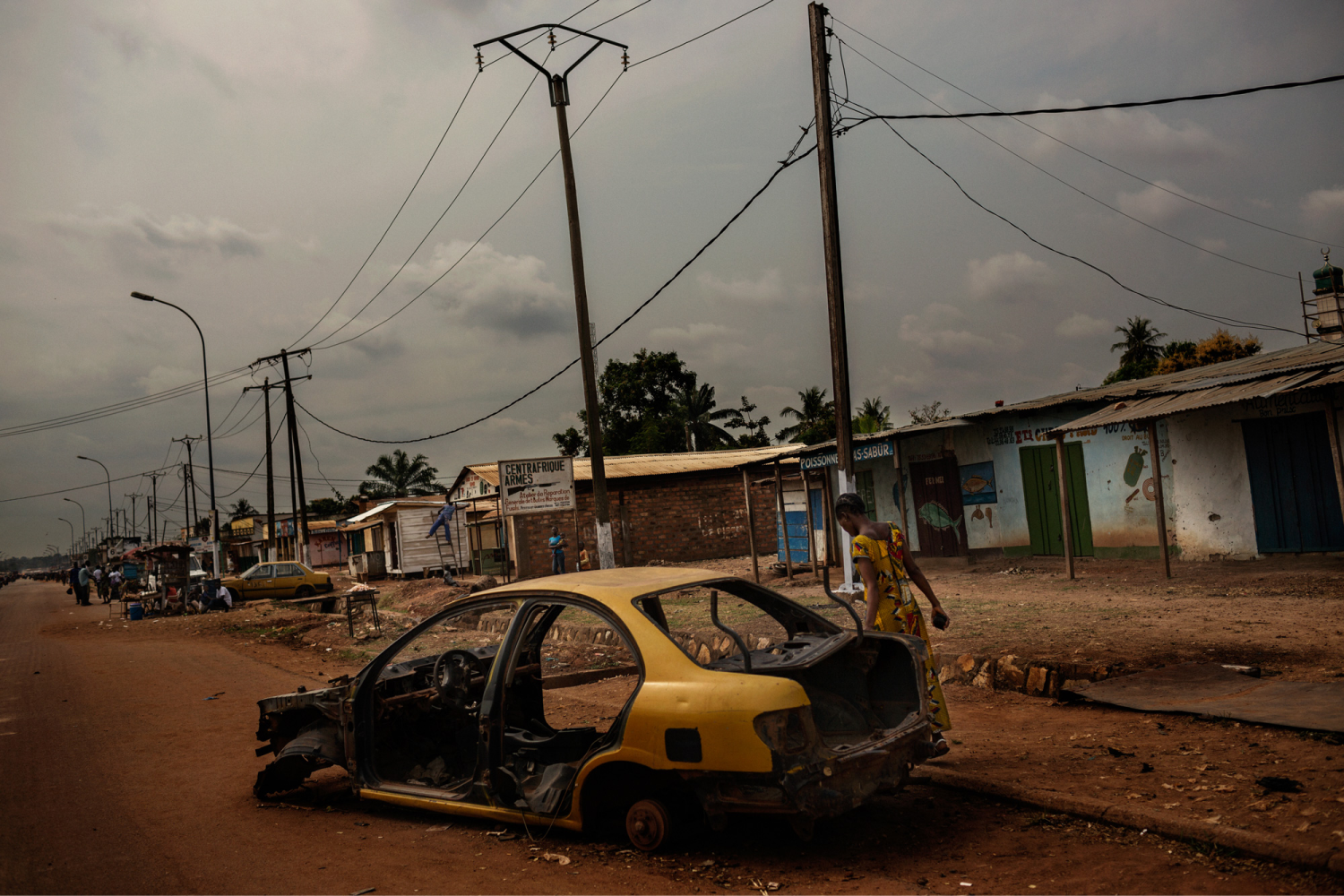
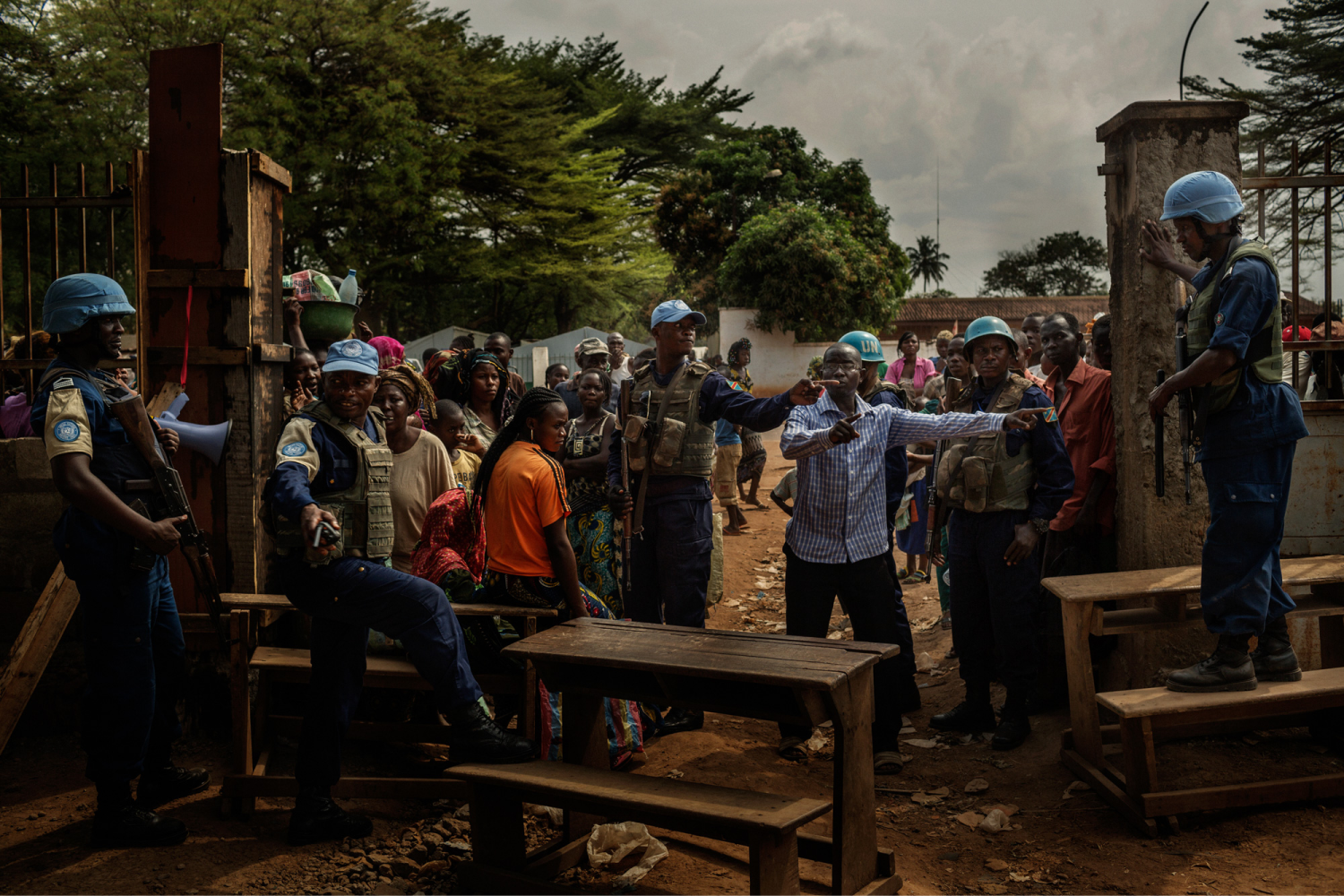
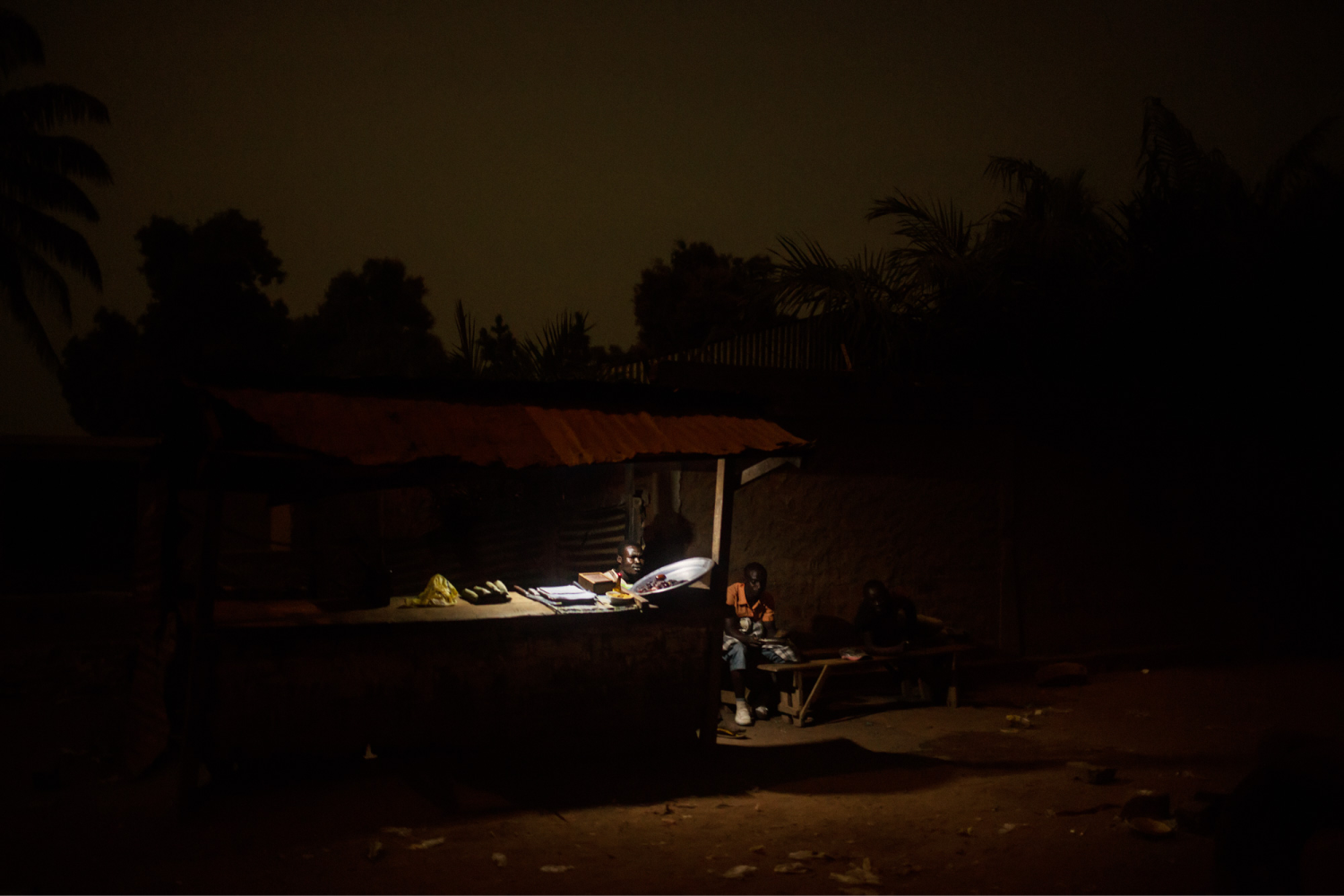
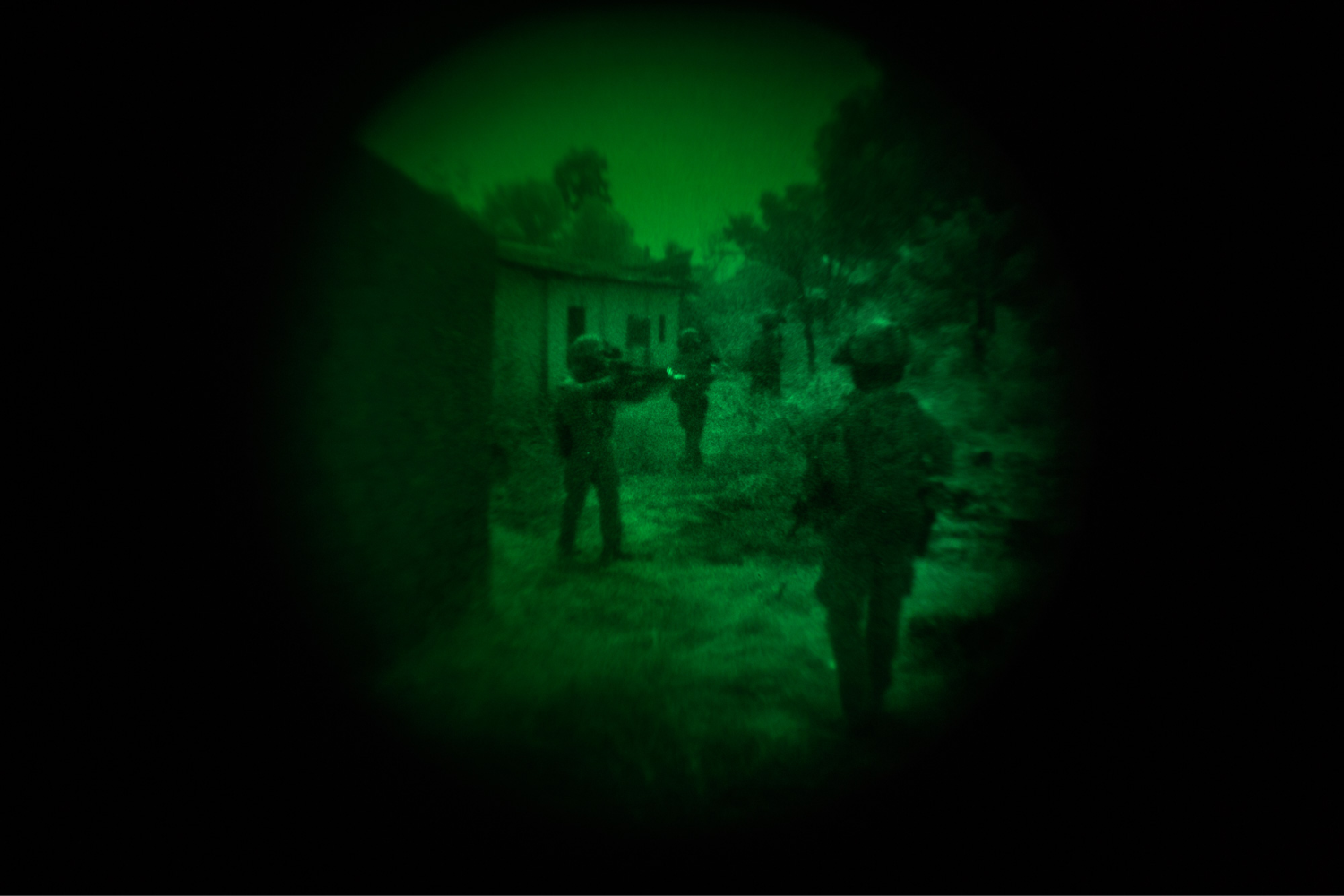
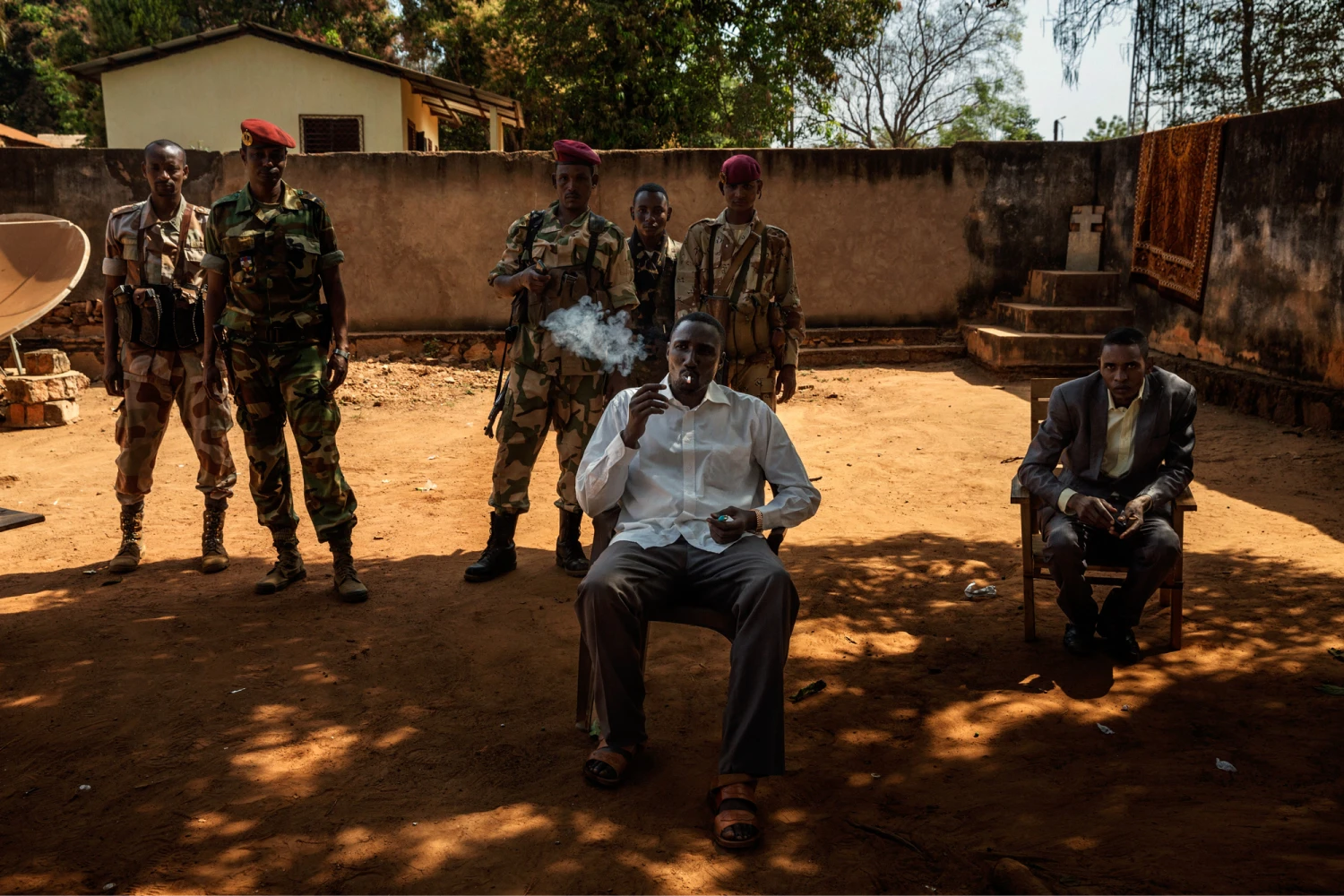
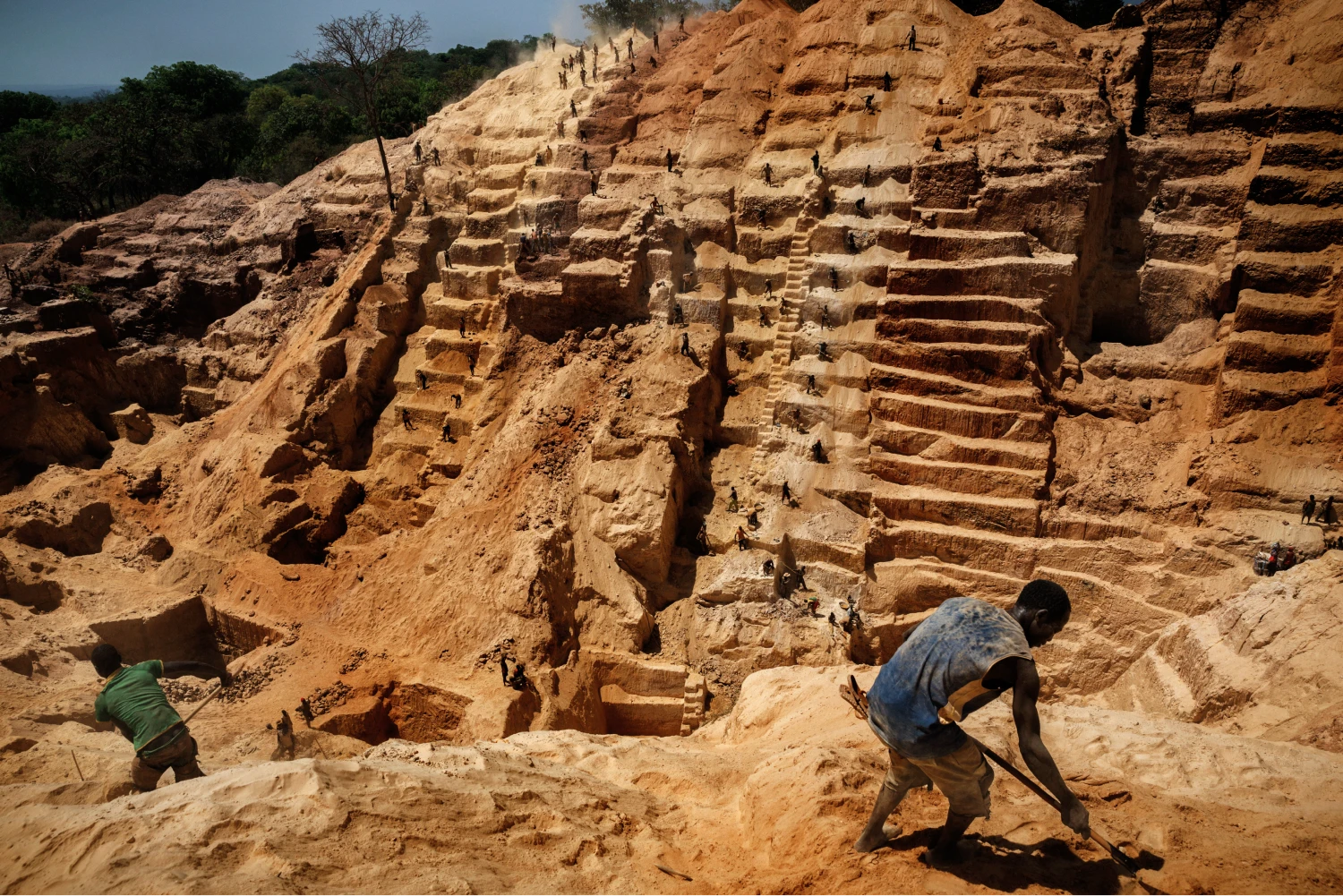
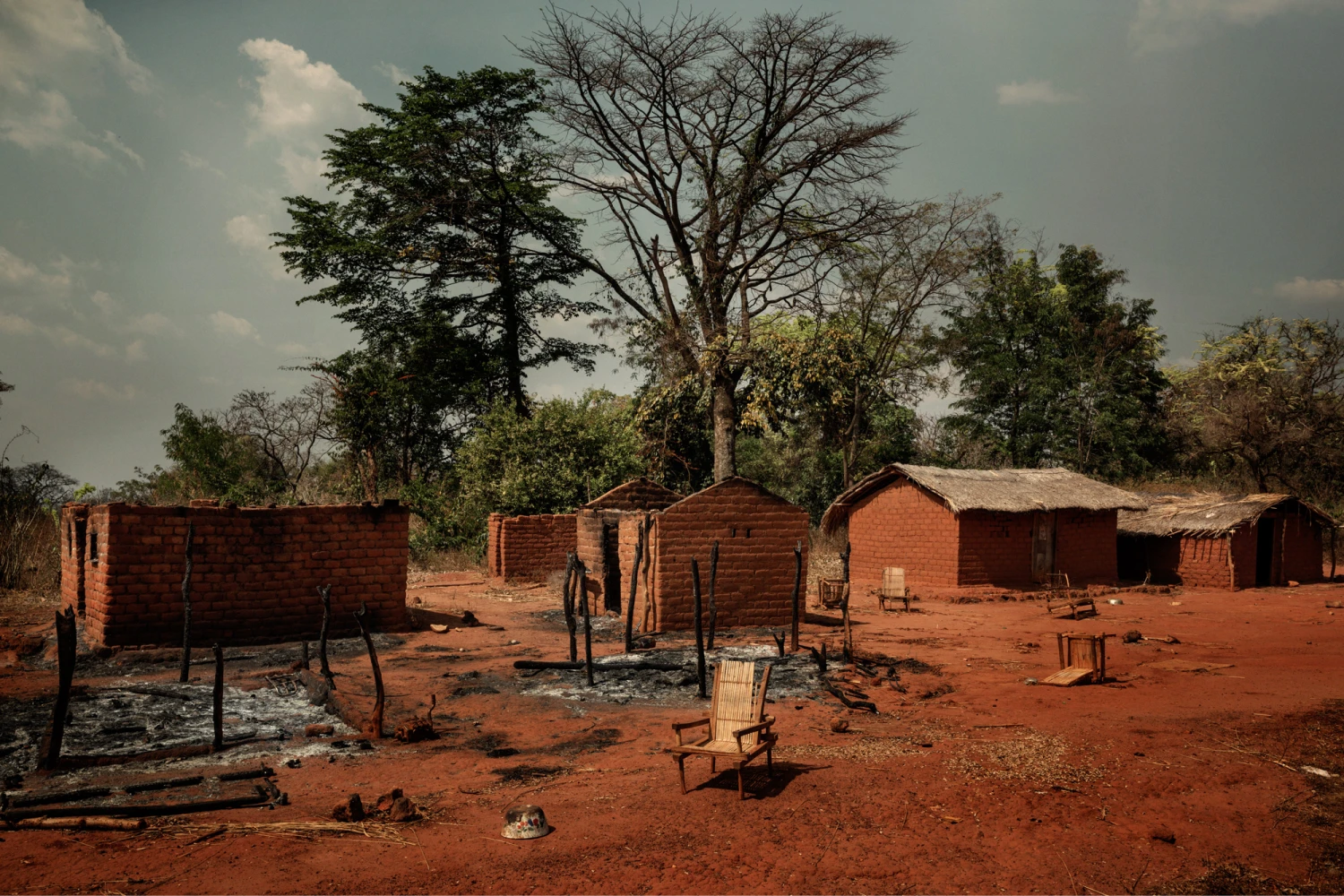
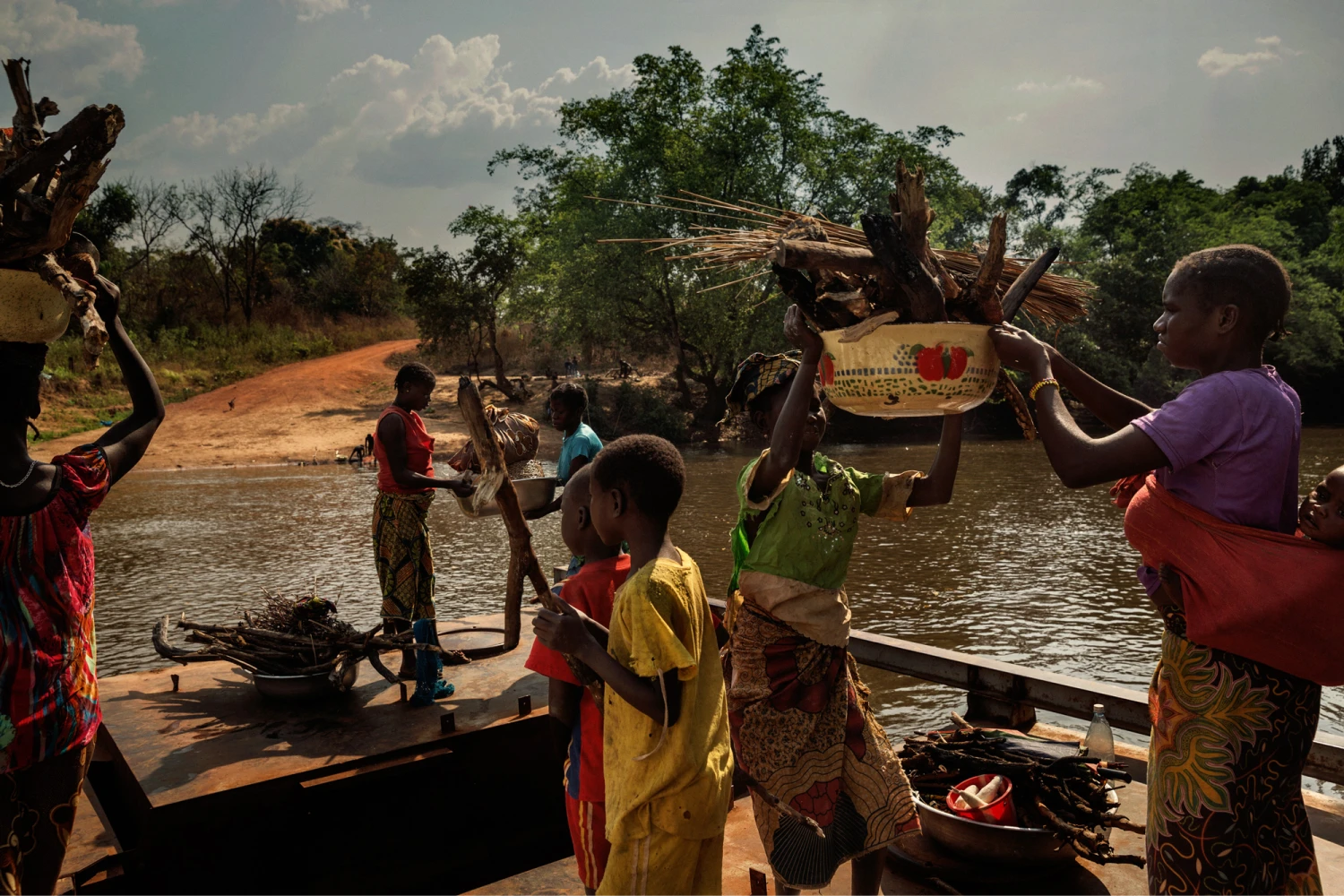
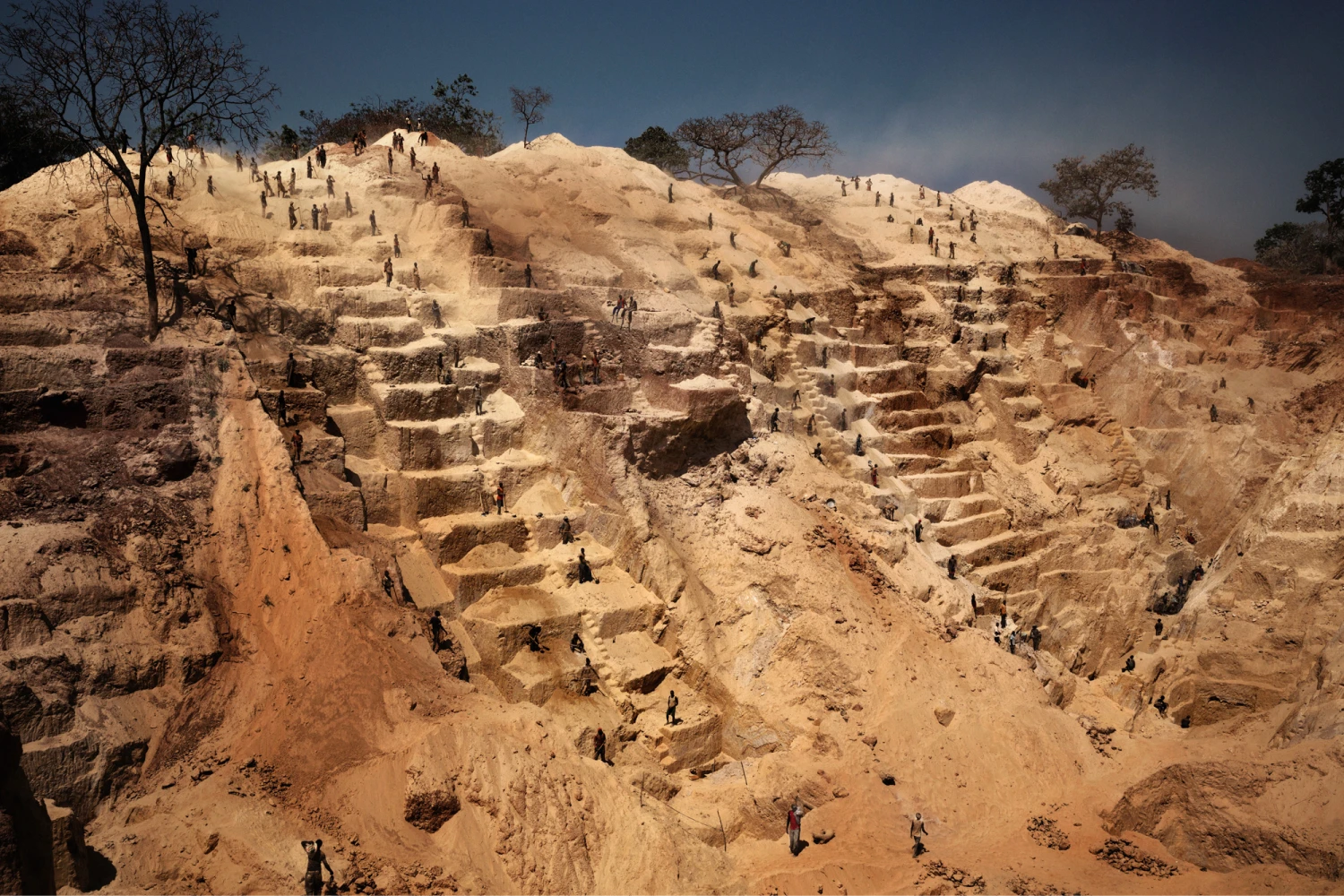
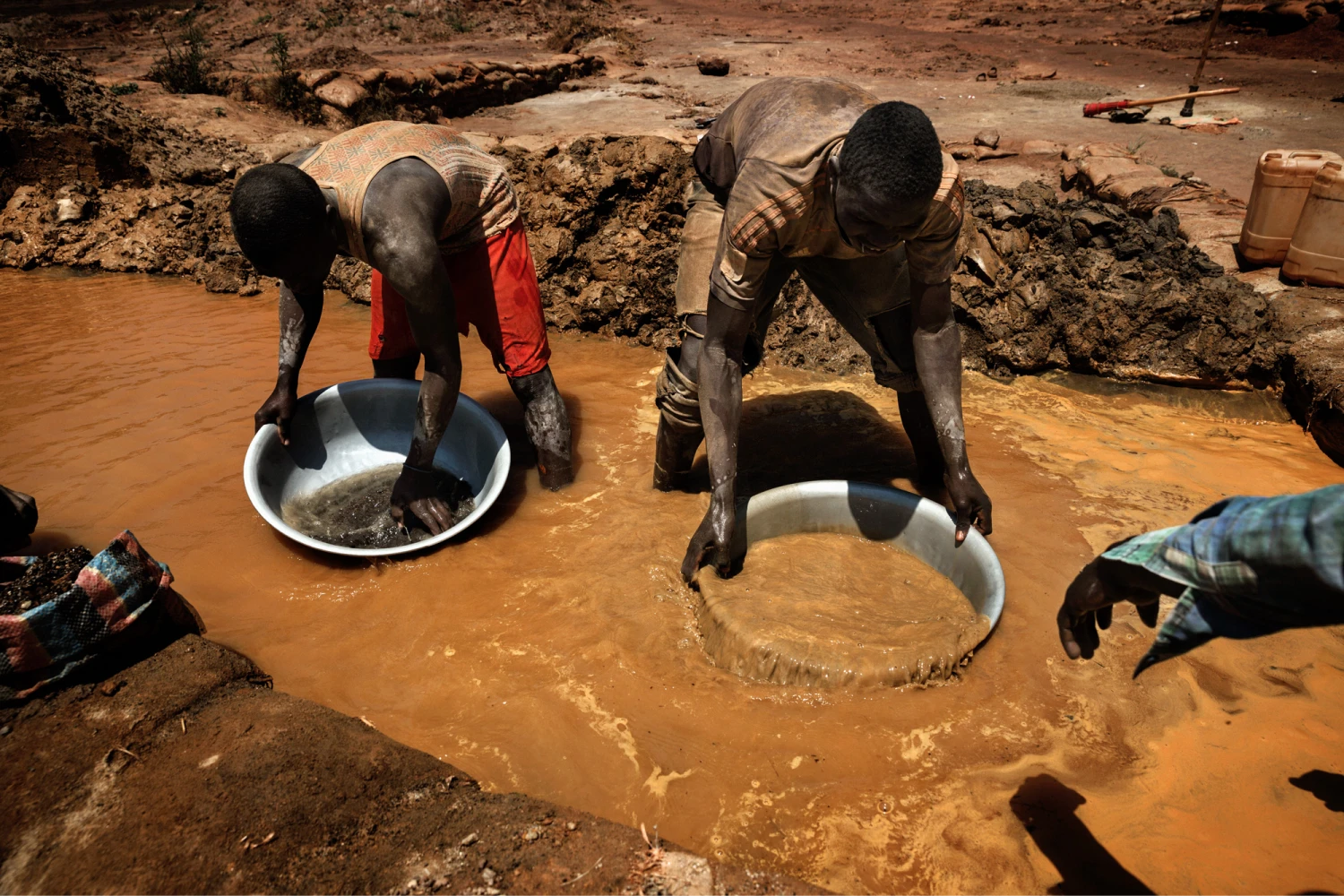
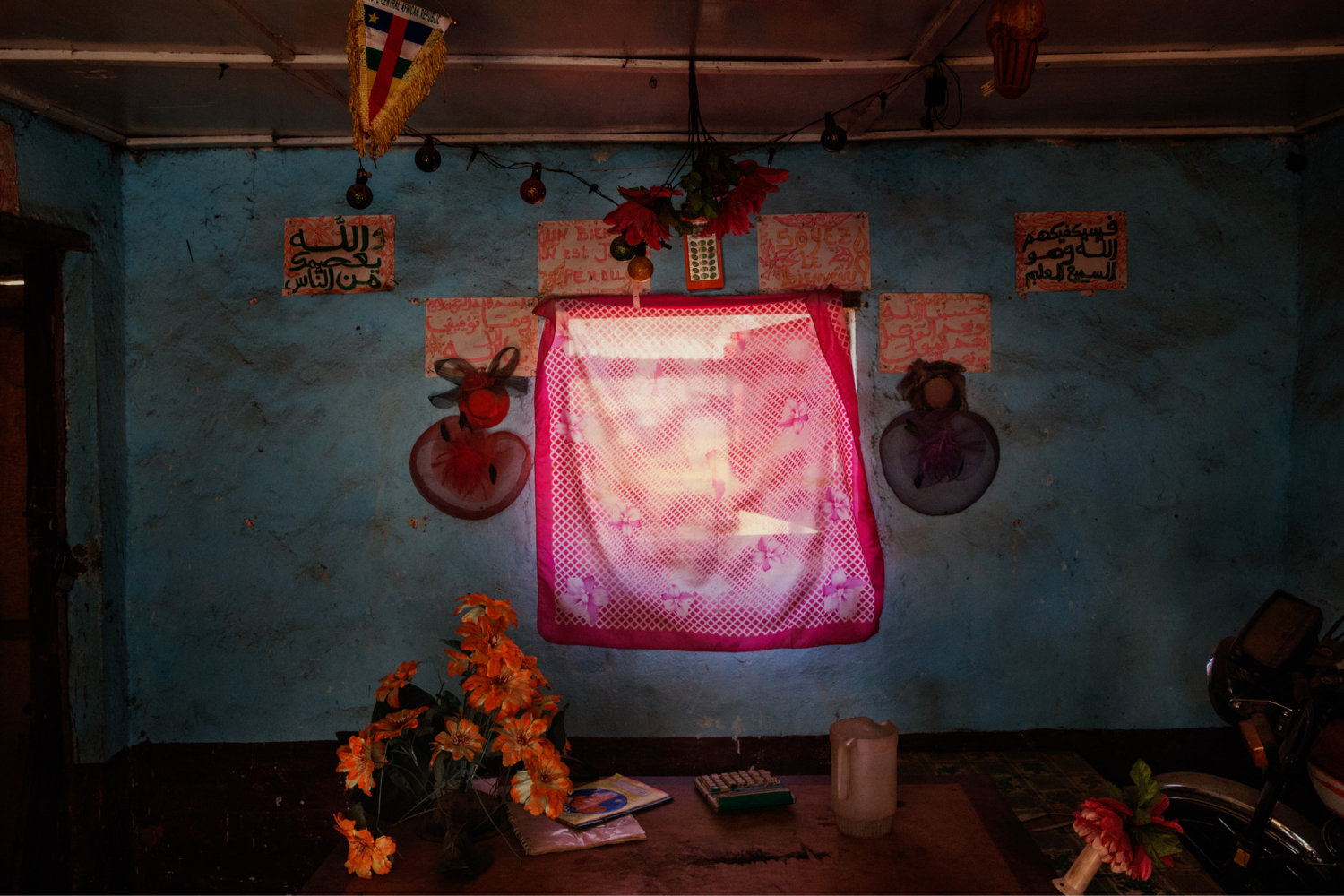
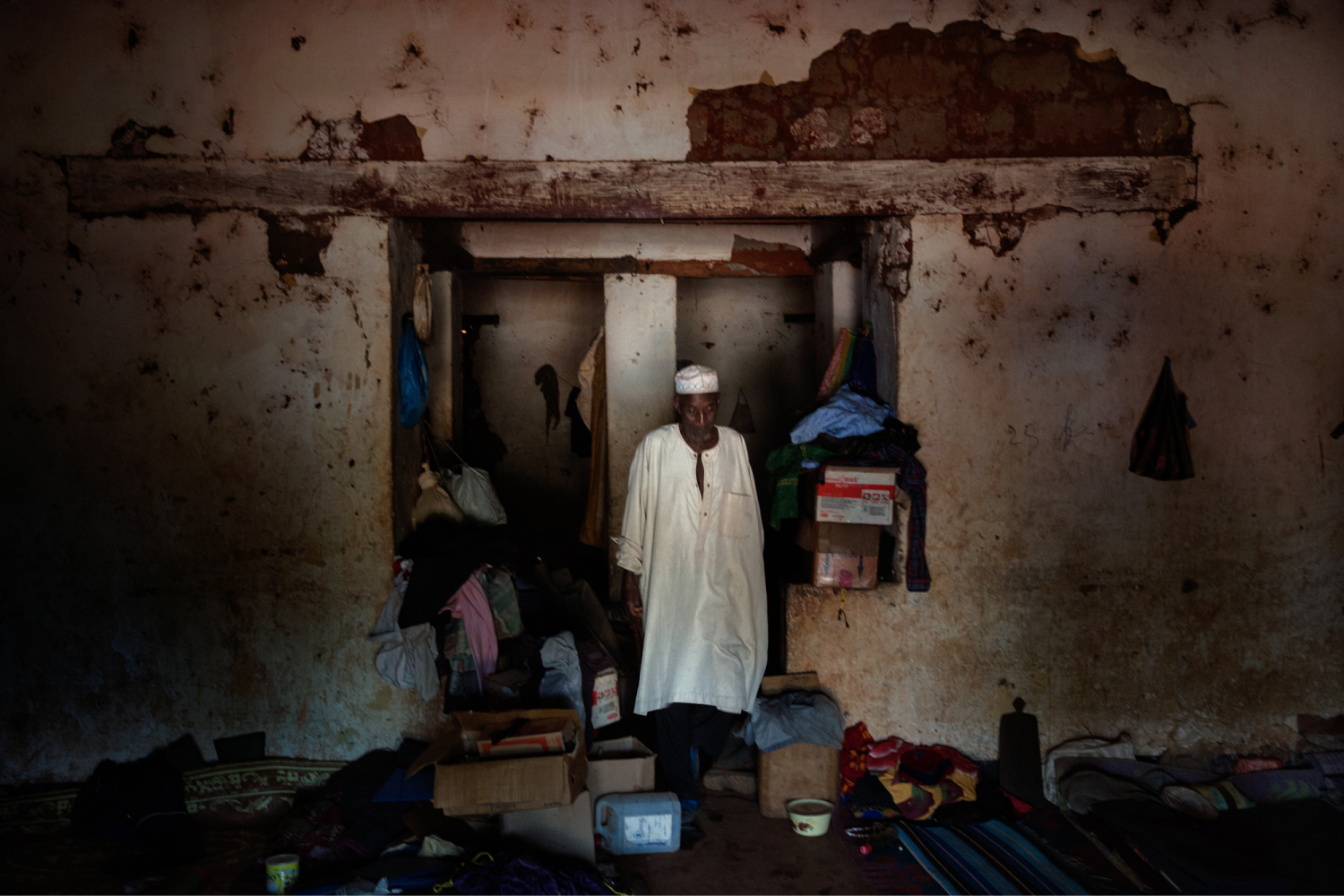
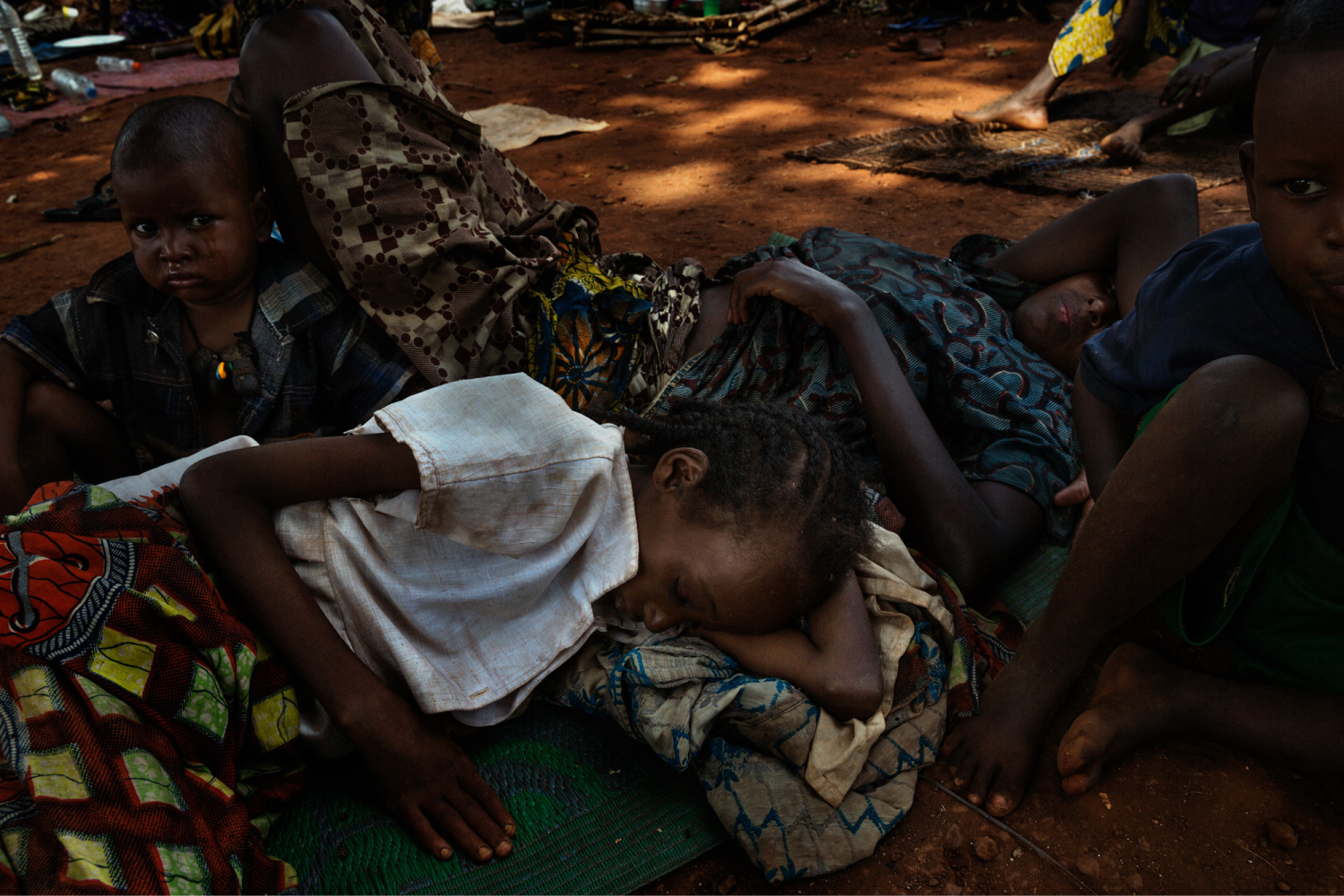
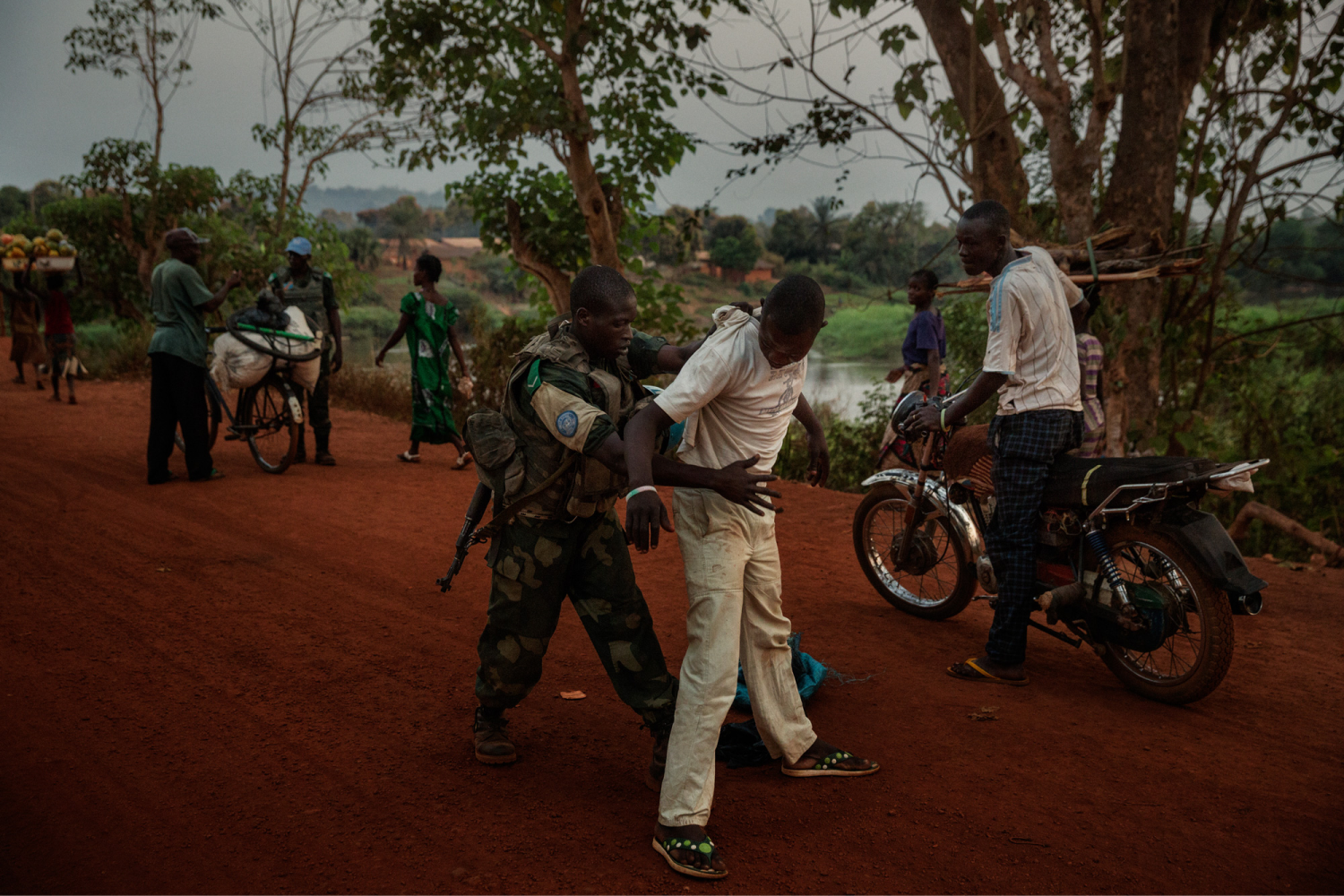
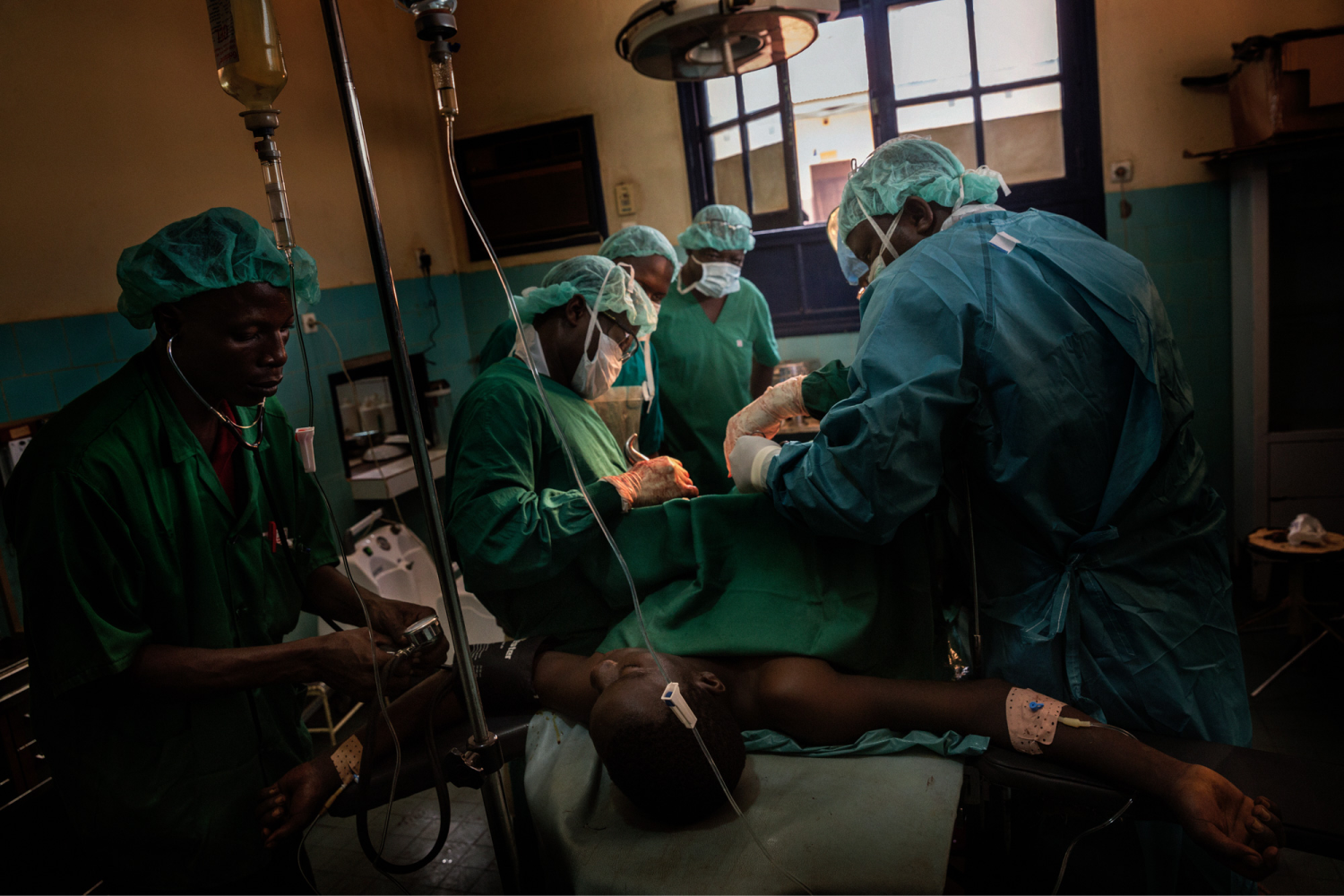
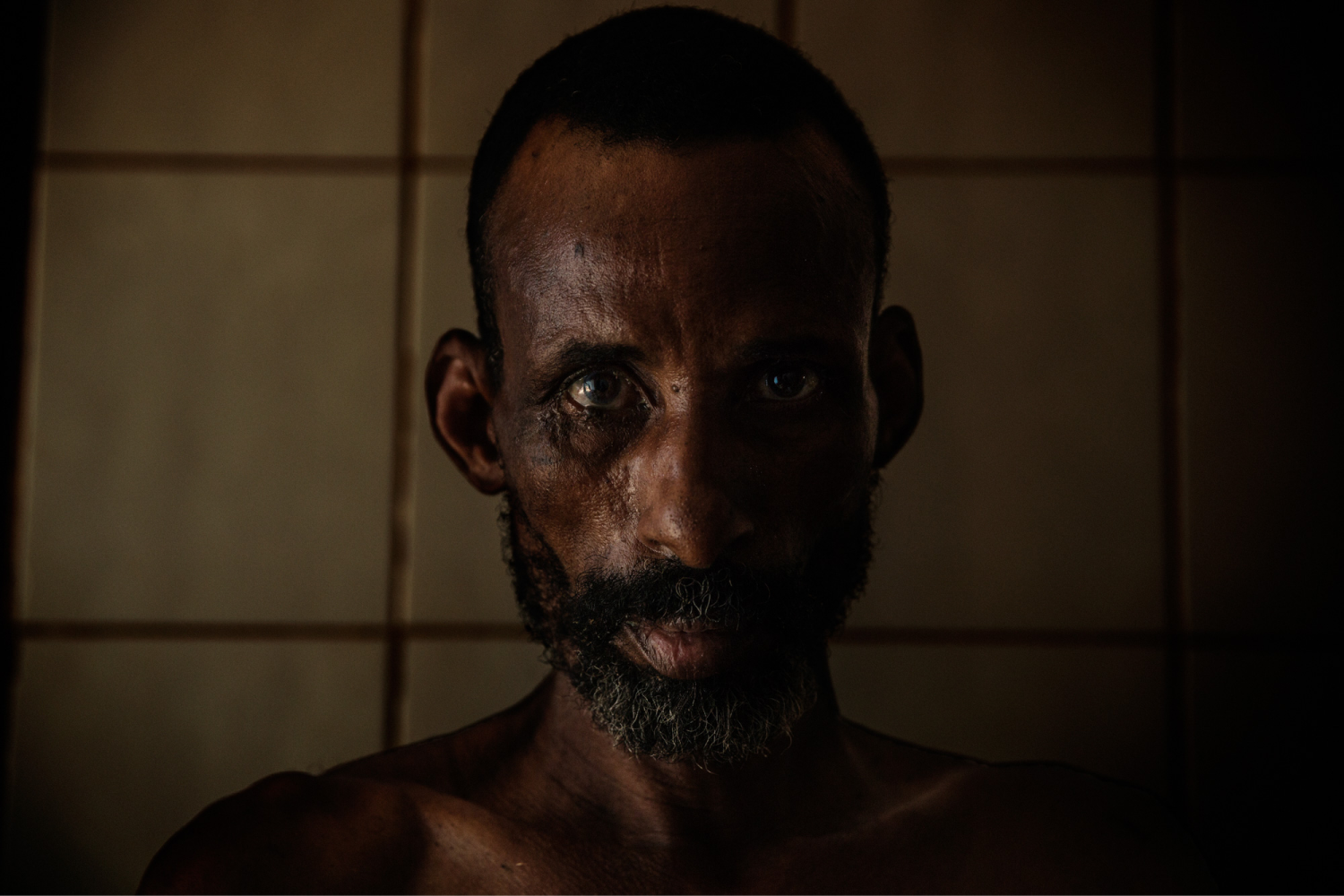
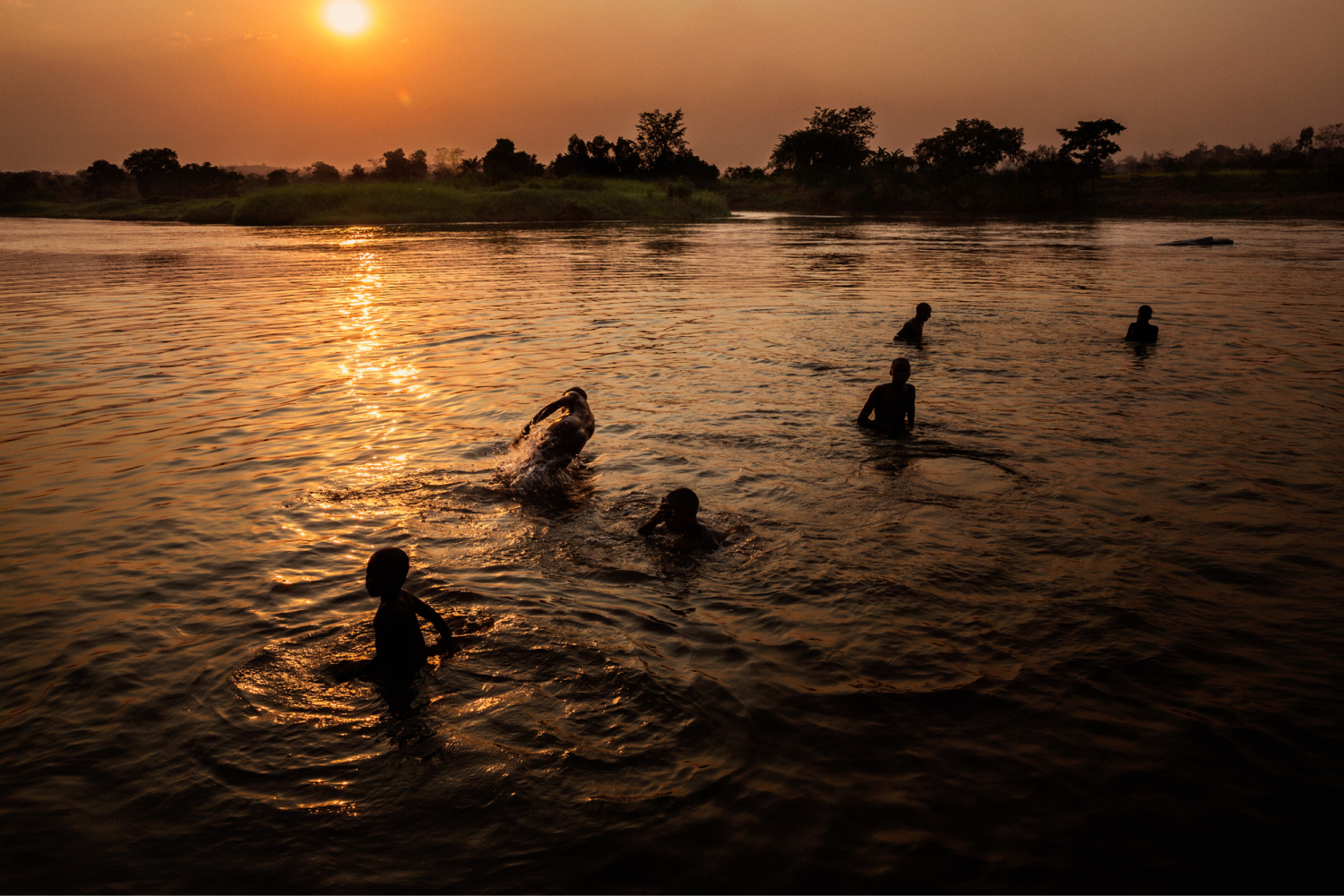
It was in 2012 that the largely Muslim Seleka militia perpetrated an uprising in the Central African Republic, overthrowing the then President François Bozize and giving rise to a wave of crimes and persecution against the Christian community. Within the non-Islamic communities, this in turn led to the formation of Anti-Balaka armed militia groups who took revenge by massacring Islamic civilians. The conflict continues to rage in Central Africa to this day, and despite the presence there of three international missions - Eufor-Rca, Sangaris and Minusca – religious hatred continues to cause bloodshed in the country. The Anti-Balaka militia groups control the West, including the capital, Bangui, where the Muslim community is confined to ghettoes, while the East is in the hands of members of the groups involved in the former Seleka rebellion, so the nation is divided into two. The government has proved incapable of overcoming the crisis, and the population is at the mercy of the armed factions. It is they who call the shots in Central African; they have brought the country to its knees and today continue to exacerbate the conflict, in an attempt to secure control over the resources in the subsoil of this tormented African nation.