Afghanistan: one year later
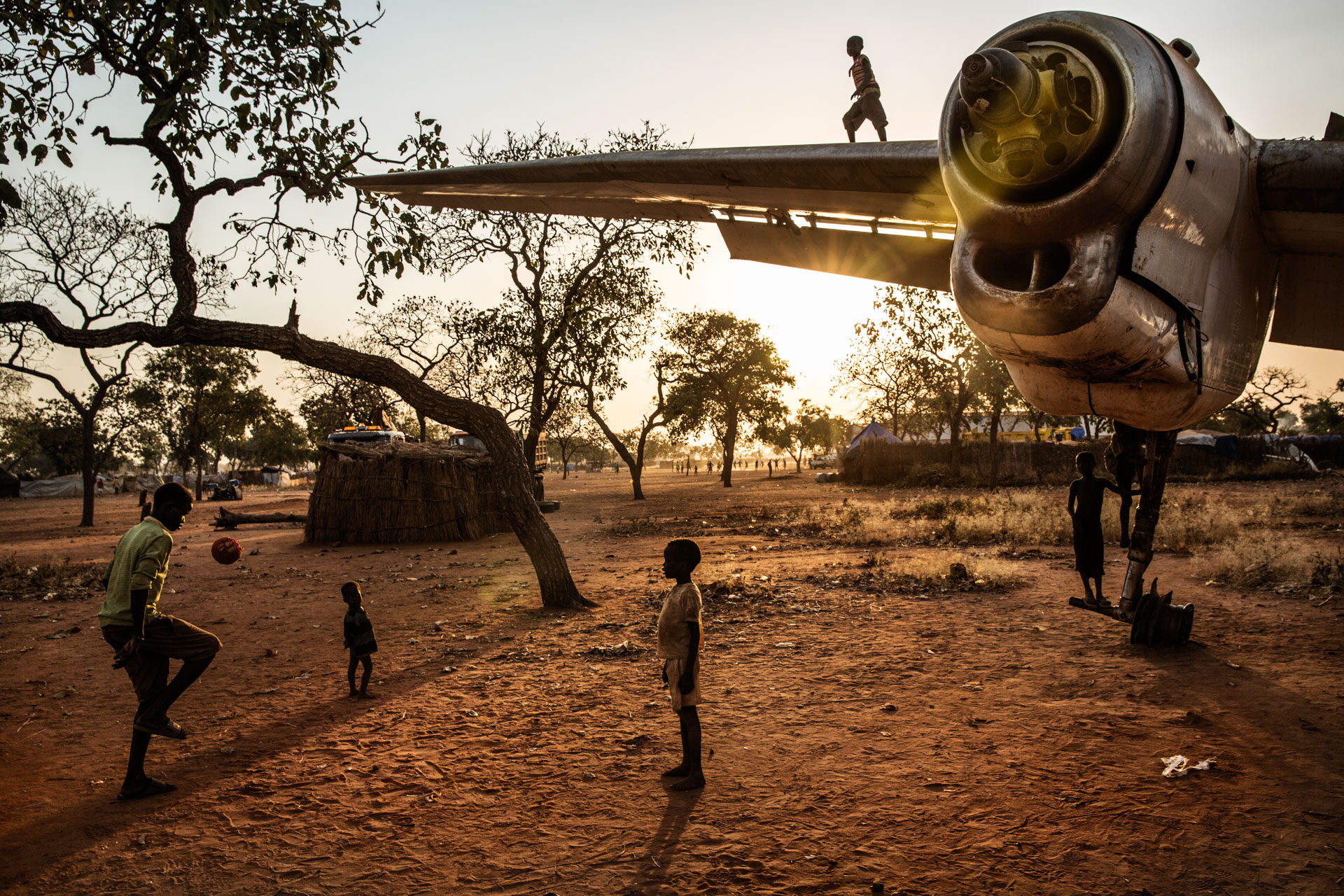
The current conflict echoes the brutal war from 1983 to 2005, which claimed nearly two million lives between government forces and the Sudan People's Liberation Army (SPLA). This struggle intensified after Omar al-Bashir's 1989 coup and ended in 2011 with a peace deal leading to South Sudan’s independence. However, three resource-rich regions—Blue Nile, Darfur, and South Kordofan—remained disputed.Following the election of Ahmed Haroun, Sudanese President Omar al-Bashir demanded that the SPLA-North (SPLA-N), largely Nuban, disarm or leave, violating the peace agreement. The SPLA-N,including volunteers from all walks of life, refused and began fighting for political reform. In response, Sudan’s army launched devastating aerial assaults, including alleged cluster bombings, and carried out ground attacks on Nuban and SPLA-N supporters, forcing civilians to seek shelter in the Nuba Mountains. Humanitarian organizations withdrew, and Sudan restricted media and NGO access.The conflict, reignited in 2011, has displaced over 700,000 people, including 400,000 internally, with 68,000 fleeing to South Sudan’s Yida camp. Accurate data on injuries and casualties remain unavailable, and restrictions on NGOs and journalists continue to conceal the realities of the rebellion in the Nuba Mountains.